
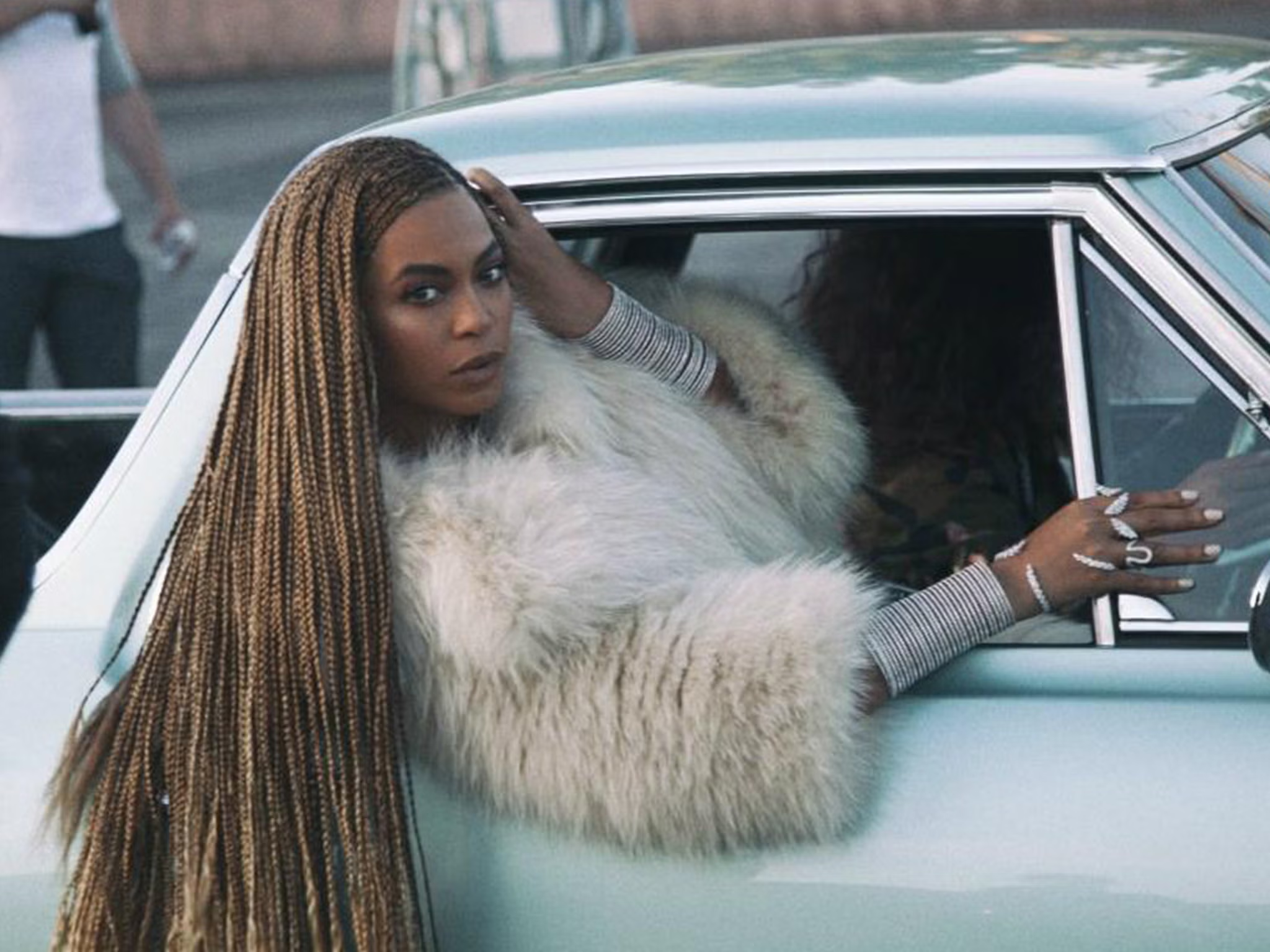
There are albums that dominate charts and then there are albums that shift culture. When Beyoncé dropped Lemonade in 2016, it didn’t just live in playlists it lived in conversations, in visuals, in identity. Ten years later, Lemonade still feels like a blueprint for the very creatives, tastemakers, and culture-shifters that define the Highly Unique Magazine audience.
Because this wasn’t just music it was a statement.

The Lemonade Album: A Moment That Moved the Culture Forward
From a numbers standpoint, Lemonade was untouchable. Debuting at No. 1 on the Billboard 200, Beyoncé became the first artist to have her first six solo albums debut at No. 1. Every track charted on the Billboard Hot 100, proving that audiences weren’t just checking for singles, they were tapped into the full story.
But for a generation of emerging artists, media creatives, and digital storytellers, Lemonade did something even bigger it showed that you can own your narrative and still win.
At a time when conversations around race, identity, and creative ownership were intensifying, Beyoncé delivered a fully realized body of work rooted in Black Southern culture, generational healing, and radical honesty. Pulling poetic influence from Warsan Shire and visual inspiration tied to lived Black experiences, the project became a masterclass in intentional storytelling.
For anyone building a brand, platform, or voice today, this was the playbook.
The Soundtrack to Emotion, Evolution, and Elevation
What makes Lemonade timeless is how it moves emotionally and sonically. It’s not just an album you hear it’s one you feel.
“Pray You Catch Me” opens in quiet vulnerability, immediately pulling listeners into a space of reflection. Then “Hold Up” flips the energy, carefree, bold, and visually unforgettable, turning betrayal into aesthetic power.
“Don’t Hurt Yourself” featuring Jack White hits like controlled chaos. It’s raw, loud, and disruptive, the kind of energy that mirrors breaking away from anything that tries to diminish your worth.
Then comes “Sorry,” arguably one of the most culturally viral moments of the decade. More than just a line, it became an attitude. Detachment. Boundaries. Self-preservation. The kind of energy today’s independent creatives and entrepreneurs resonate with deeply.
“6 Inch” featuring The Weeknd speaks directly to the grind, late nights, tunnel vision, getting it by any means. It’s the hustler’s anthem wrapped in luxury and ambition.
But Lemonade doesn’t stay in one gear.
Tracks like “Love Drought” and “Sandcastles” slow everything down, exploring healing, forgiveness, and rebuilding, reminding listeners that growth isn’t always loud. Sometimes it’s quiet. Sometimes it’s uncomfortable.
Then “Freedom” featuring Kendrick Lamar expands the lens. It’s no longer just personal it’s collective. It’s about breaking cycles, systems, and limitations. A reminder that art can be both personal expression and cultural resistance.
Closing with “All Night,” Beyoncé leans into restoration, a full-circle moment that feels like clarity after chaos.
Beyoncé’s Lemonade Album Is A Visual Blueprint for the Next Generation
For creatives in media, fashion, and digital storytelling, the Lemonade film was just as impactful as the music.

Every frame felt intentional. From Southern Gothic visuals to African spiritual symbolism, Beyoncé created a visual universe that influenced everything from editorial shoots to brand campaigns. The styling alone, flowing silhouettes, bold color statements, and regal imagery, continues to echo across culture today.
If you’re a photographer, stylist, creative director, or content curator, Lemonade set the bar.
The Legacy: Why Lemonade Album Still Hits 10 Years Later
A decade later, Lemonade remains a reference point for what it means to create with purpose. It proved that you don’t have to separate artistry from authenticity or culture from commerce.
For the Highly Unique audience, emerging artists, media innovators, and voices shaping what’s next, Lemonade is more than an album. It’s a reminder that your story, your perspective, and your truth have value.
And when you package that truth with intention, you don’t just drop content you create impact.
Ten years later, Lemonade still isn’t something you just listen to.
It’s something you study.


